Why Importers Buy Bird Netting From the Manufacturer
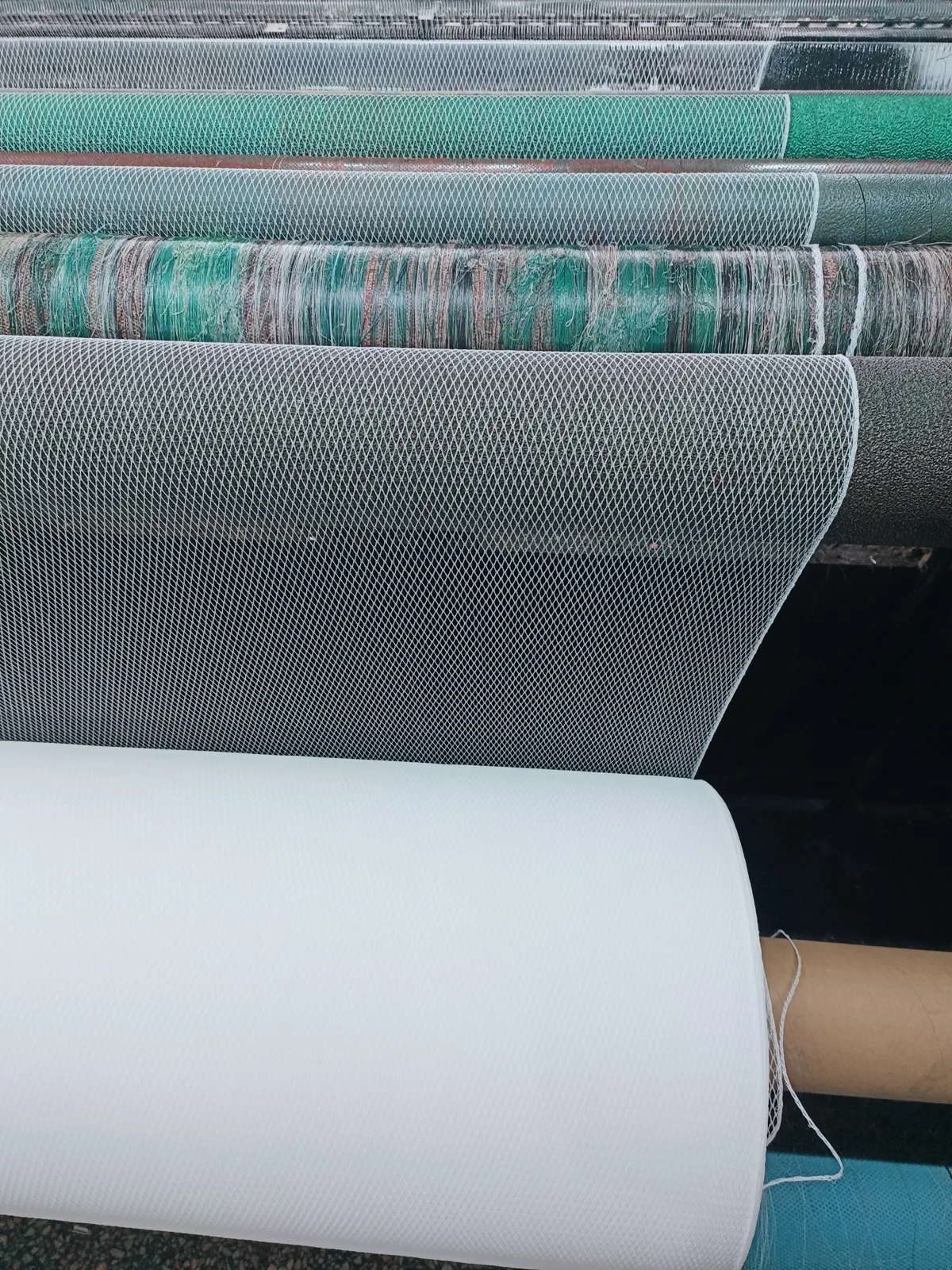
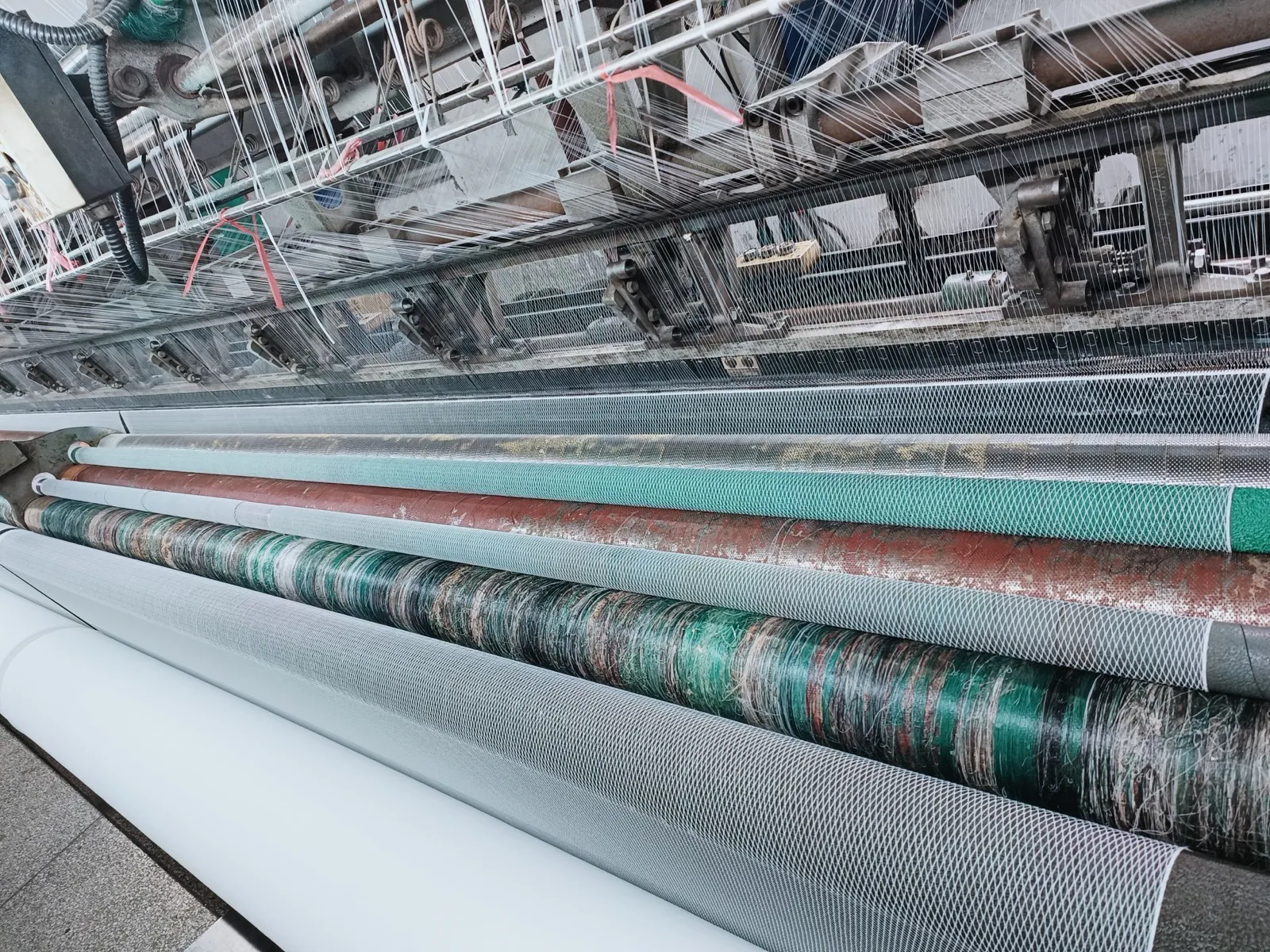
Bird netting looks like a commodity until a container of it fails in the field — mesh that stretches out of gauge, selvages that unravel when draped over trees, netting that goes brittle after one summer. Buying from the bird netting manufacturer instead of a trading desk removes the three failure points importers actually lose money on. Mesh accuracy: we knit to gauge on our own machines in Changzhou, so a 20 mm order measures 20 mm across the whole container — not 18 mm on the top rolls and 23 mm underneath. Material honesty: every roll is 100% virgin HDPE with a dosed UV-stabilizer package; recycled regrind is what makes cheap netting snap in year two, and you cannot see it in a photo. Real custom sizing: orchard blocks and vineyard rows do not come in retail widths — we knit to your row spacing, including wide bales for mechanical drape-over, with reinforced selvages so the edge survives the season’s tension.
We have knitted anti-bird netting since 2003, and the seasonal rhythm of this product is something a trader simply cannot plan for you: Northern-hemisphere orchard and vineyard orders land in spring, Southern-hemisphere in autumn, and distributors who stock against that calendar get the production slots. Tell us your sales season and we will tell you when your container needs to leave Changzhou to make it.
Mesh Size, GSM and the Birds You Are Actually Stopping
The spec conversation for bird netting starts with the pest, not the price. 20–25 mm mesh is the orchard standard against starlings, sparrows and larger fruit birds; 15 mm tightens protection for small finches in berry crops; heavier 40–60 gsm grades are chosen where netting is handled and re-installed every season — vineyards with mechanical drape-over, or orchards where nets go on at fruit-set and come off at harvest. Lightweight 15–25 gsm draping net is the economics-first option for seasonal use. We knit the full 5–25 mm mesh and 15–60 gsm range, and we will tell you plainly when a lighter spec will do the job — an over-spec net costs you money every season in handling time, not just in polymer.
Quality Control From Resin to Roll
Every production batch starts from virgin HDPE resin with UV masterbatch dosed per batch, is weight-checked inline against the ordered GSM, and is measured and labeled on the line. We keep retention samples per container — if your customers ever report a field problem, we test against the actual material you received. That is the difference between a manufacturer and a supplier listing: we can stand behind a specific roll from a specific batch, because we made it.
Container Loading, MOQ and Export Terms
Bird netting is the lightest product in our range, which makes freight efficiency exceptional: a 40’HQ carries 14–15 tons, and at the common 20–35 gsm orchard weights that is roughly 400,000–700,000 m² per container — enough to cover hundreds of hectares. MOQ is 2 tons with mixed mesh sizes and widths in one shipment, sized for a distributor’s first season. Rolls ship poly-bagged with your private label, barcode and outer-wrap print. Lead time is 25–35 days after deposit; payment T/T 30/70 or 100% L/C at sight; samples are free, you cover the courier. Send your target crop, bird pressure, row width and destination port through the contact page or WhatsApp — we reply within 24 hours with a spec recommendation, roll count and container loading.
Bird Netting Manufacturer FAQ
What mesh size bird netting do I need?
Match the mesh to the smallest bird you must stop: 20–25 mm for starlings, pigeons and general orchard protection; 15 mm for small finches in berries and cherries. Going finer than necessary adds weight and cost without adding protection.
What is the difference between drape-over and canopy installation?
Drape-over lays the net directly on trees or vines — the cheapest method, standard in vineyards with mechanical applicators; it wants light net (15–25 gsm) with a soft hand. Canopy (structure) installation hangs the net on posts and wire — it wants heavier 40–60 gsm net with reinforced selvages, and it lasts many seasons. We knit both and will spec against your installation method.
What is your MOQ and can I mix specs?
2 tons per order, and yes — mixed mesh sizes, GSM and widths in one container are routine. At 20–35 gsm, 2 tons is roughly 60,000–100,000 m², enough for a meaningful first season in market.
How many seasons does HDPE bird netting last?
With seasonal handling (on at fruit-set, off at harvest, stored dry), 3–5 seasons for standard grades; permanent canopy installations in high-UV regions should spec heavier GSM. The UV-stabilizer package decides the lifespan — we dose it per batch and keep retention samples.
What do you need to quote bird netting?
Crop and bird pressure (photos help), row width or block dimensions, GSM preference if you have one, and destination port. You will get a spec recommendation, per-roll pricing and container loading within 24 hours.