Barrier & Warning Netting Direct From the Factory
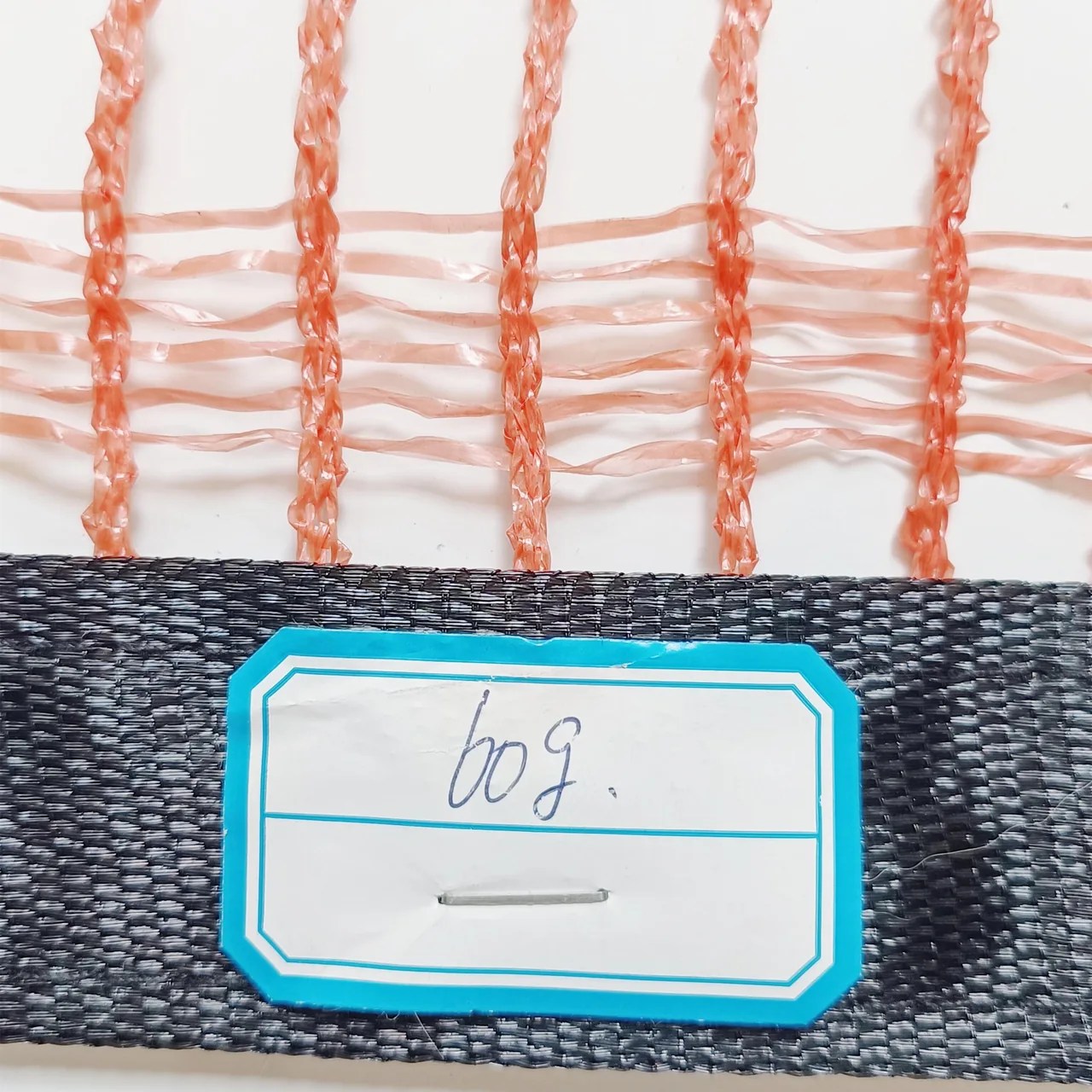
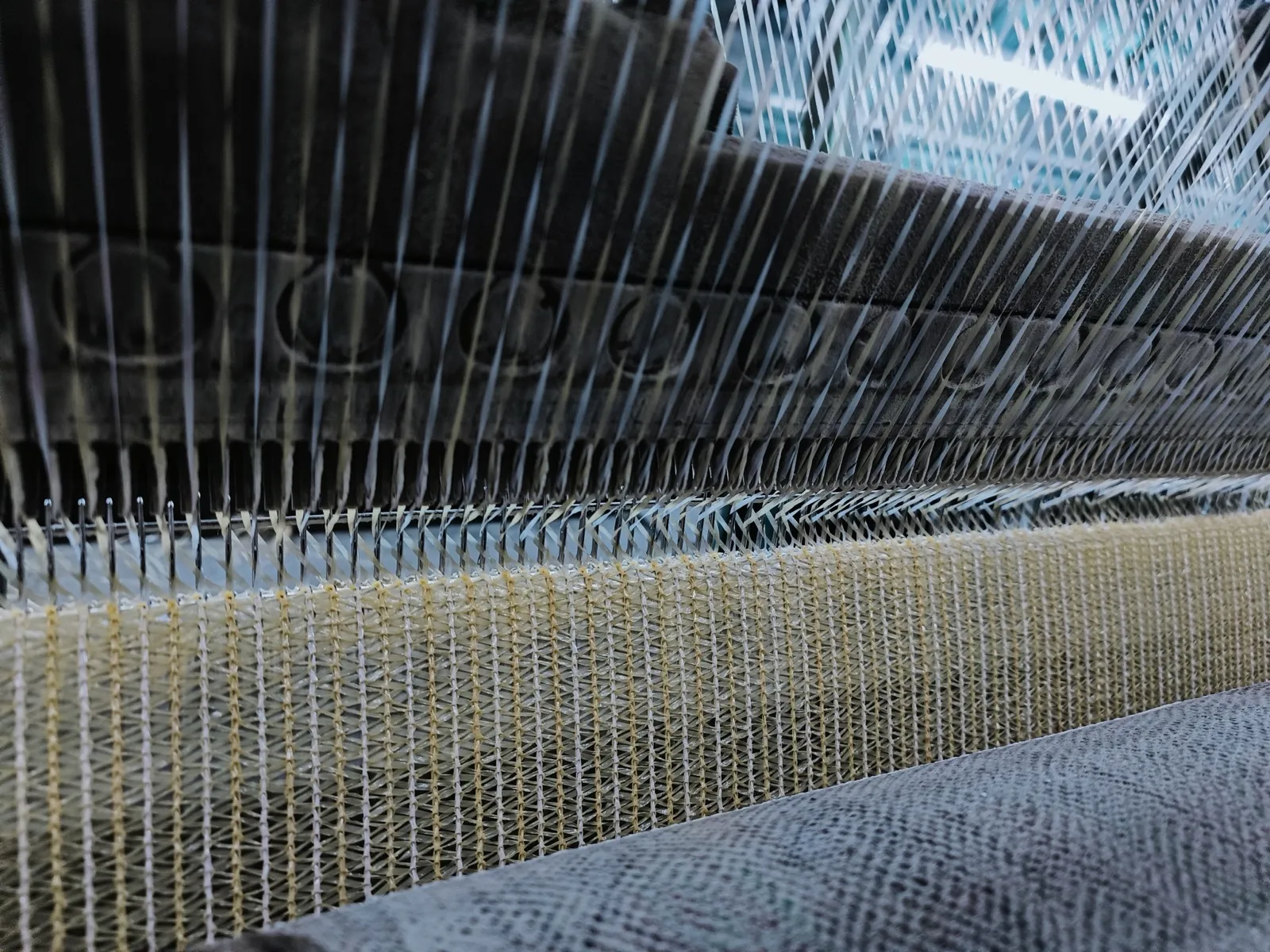
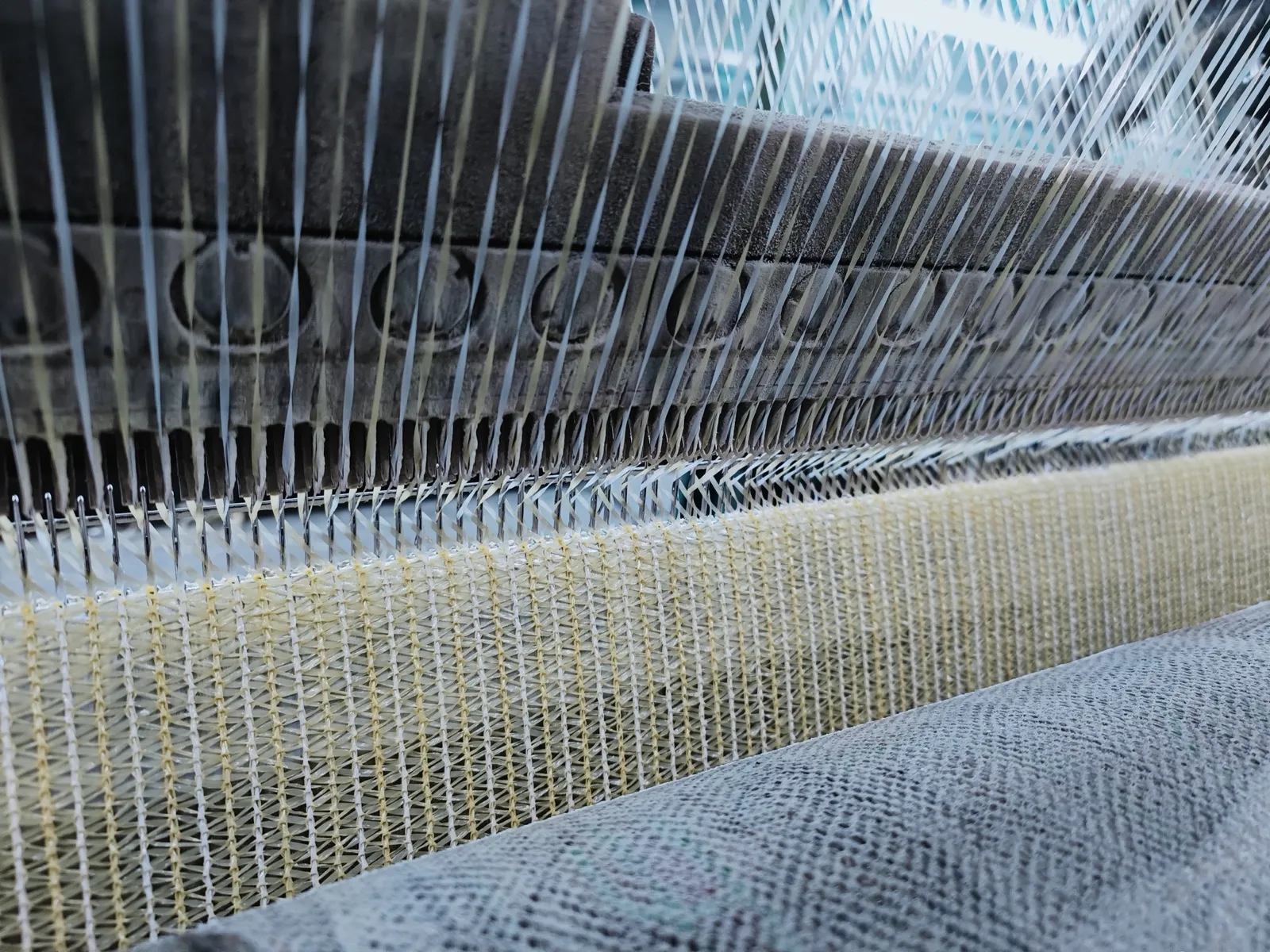
Barrier fence is bought on price per roll — which is exactly why so much of it fails on site. The market is flooded with extruded polypropylene mesh that cracks at the folds, unravels from every cut and fades to pale pink in one summer of UV. We knit the alternative: barrier and warning netting from 100% virgin HDPE, 50–120 gsm, in high-visibility orange and yellow, on the same warp-knitting lines as our agricultural nets. A knitted barrier mesh flexes instead of cracking, does not run when cut, re-rolls cleanly for the next project, and holds its color for seasons — which is why hire companies and distributors who track cost per deployment, not cost per roll, buy from the barrier net manufacturer directly.
Grades for Construction, Events and Snow Duty
The range covers three duties: light grades (50–80 gsm) for short projects, indoor use and one-season events; medium (90–110 gsm), the construction-perimeter workhorse for multi-season outdoor exposure; and heavy (up to 120 gsm) for windy sites and snow-fence service where the fence works against drift load all winter. Standard formats are 0.9 m, 1 m and 1.5 m × 50 m rolls in orange or yellow, with custom widths and colors on volume. If you are comparing against extruded PP fence on price, run the math per season, not per roll — a knitted HDPE fence re-deploys where PP goes to landfill.
Virgin Resin, UV Package and Batch Records
Every batch starts from virgin HDPE resin with UV masterbatch dosed per batch; weight is checked inline against the ordered GSM, and retention samples are kept per container. Fading tells you everything about a barrier fence’s resin: unstabilized PP chalks within a season, while our UV-stabilized HDPE holds working color for years — and on a warning product, faded color is failed function.
MOQ, Private Label and Container Loading
Barrier fence is bulky for its weight, so container math drives the deal: a 40’HQ carries 14–15 tons — roughly 130,000–280,000 m² depending on grade. Our MOQ for warning fence is 5 tons (≈450–850 standard rolls), which is why most buyers are distributors, rental fleets and contractors stocking a season. Private-label wrap, roll labels and barcodes are routine. Lead time 25–35 days after deposit; payment T/T 30/70 or 100% L/C at sight; samples free, you cover the courier. Send your grade, width and annual volume through the contact page or WhatsApp — reply within 24 hours with roll counts and container loading.
Barrier Net Manufacturer FAQ
Knitted HDPE barrier net or extruded PP fence?
Knitted HDPE for anything you re-use or keep outdoors beyond one season: it flexes instead of cracking, does not unravel when cut, and holds color for years. Extruded PP is the single-use budget option — cheaper per roll, more expensive per deployment.
What grade barrier net do I need?
50–80 gsm for short or sheltered jobs; 90–110 gsm for construction perimeters and multi-season use; up to 120 gsm for windy sites and snow fence duty. When in doubt between grades, the heavier one is cheaper by the second project.
What is the MOQ for warning netting?
5 tons for barrier/warning fence — roughly 450–850 standard 1 m × 50 m rolls depending on grade, with mixed grades and colors allowed in one container.
Can you make custom colors and widths?
Yes — orange and yellow are standard, custom colors on volume; standard widths 0.9/1/1.5 m with custom widths available. Private-label wrap and barcodes included for distributors.
How long does HDPE barrier netting last outdoors?
UV-stabilized knitted HDPE barrier net delivers 3–5 years of outdoor service versus a single season for unstabilized PP. Re-roll dry and store out of sunlight between projects to double practical life.