Windbreak Netting From the Manufacturer: Spec by Wind Zone
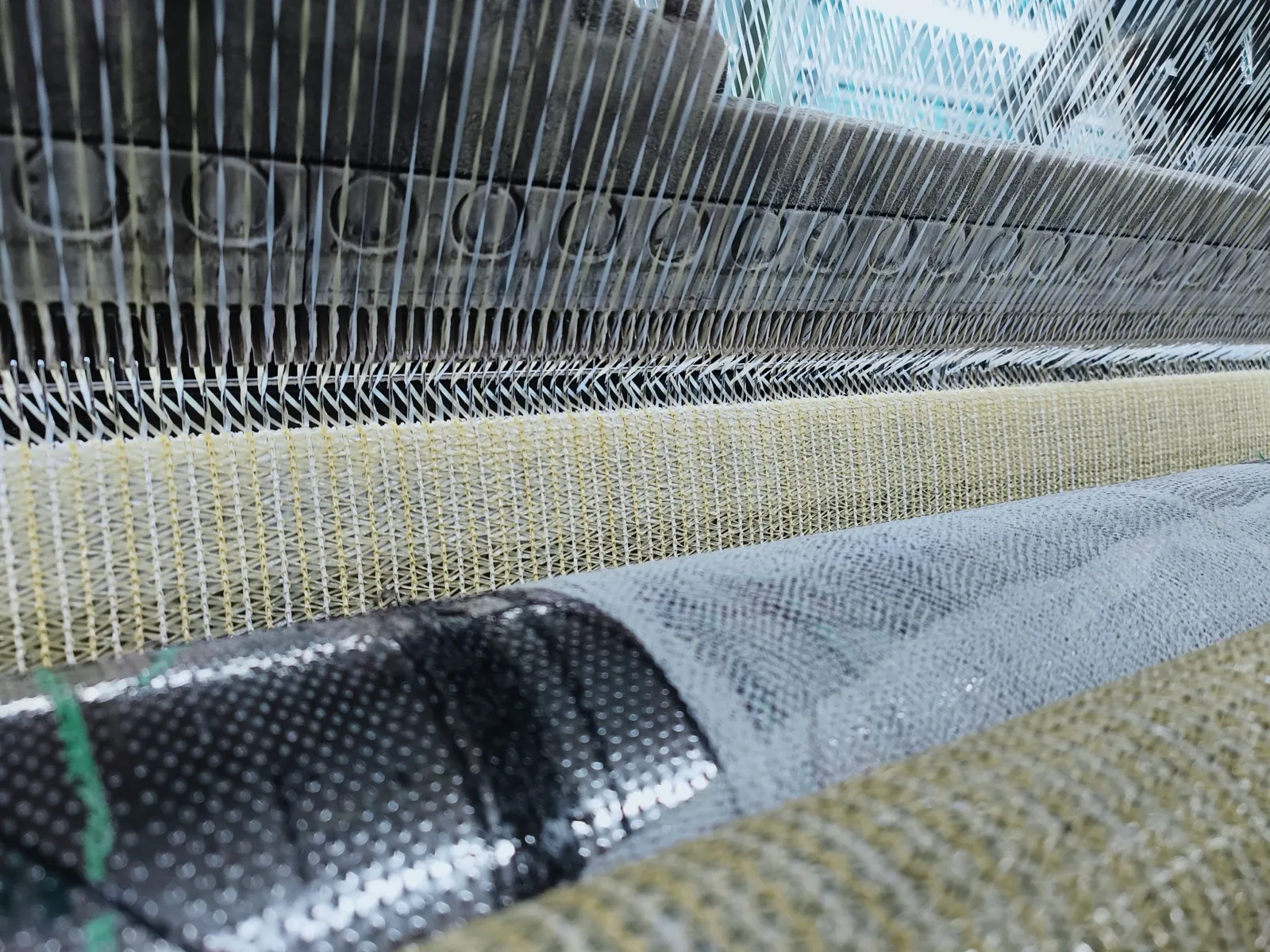
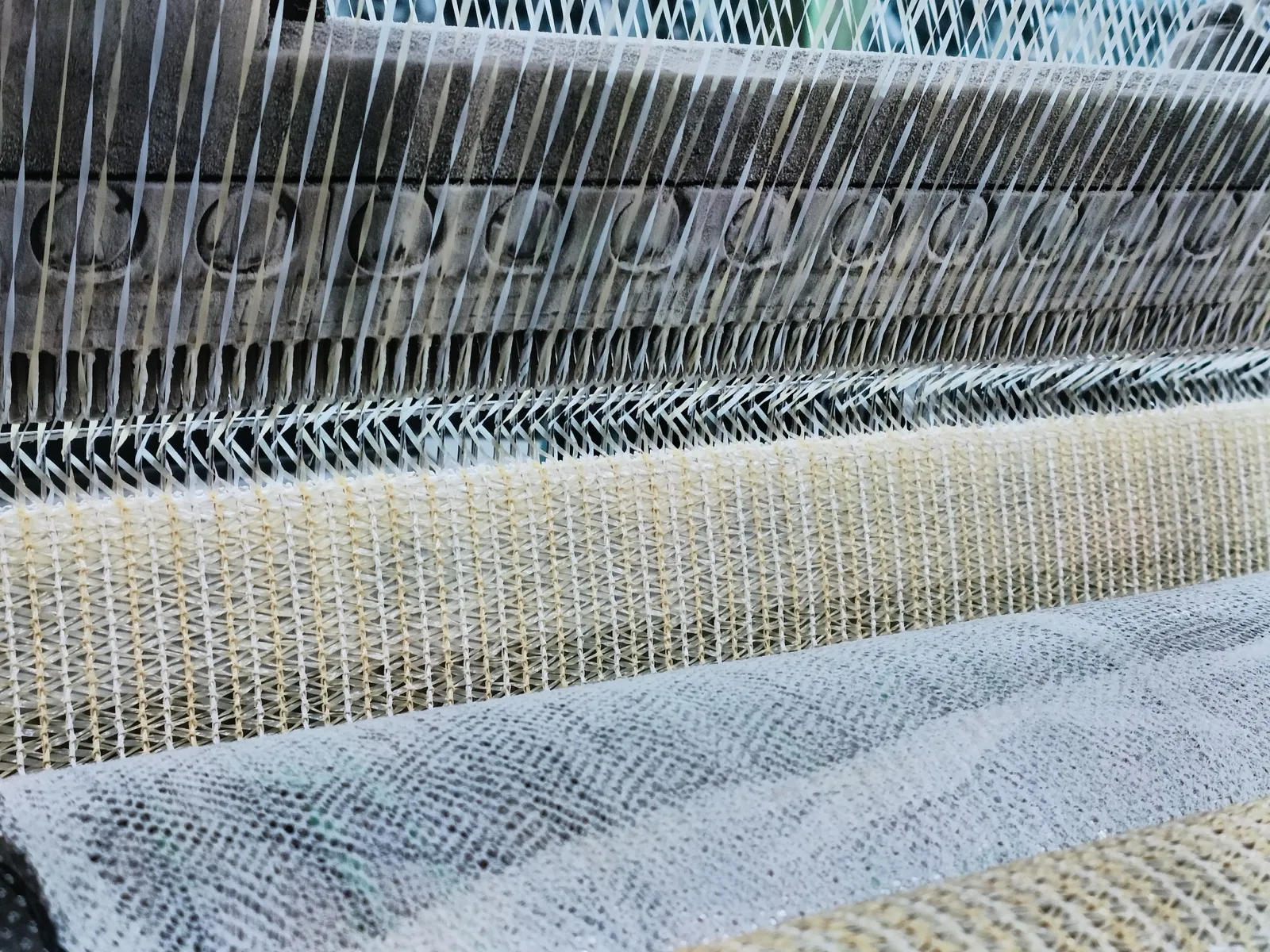
A windbreak net is the hardest-working net on the farm — it stands permanently tensioned into the prevailing wind, season after season, with no harvest break. That duty is why importers buy windbreak netting from the windbreak net manufacturer rather than a generalist trader: the spec has to be engineered against your wind zone, and only the factory controls the variables that decide survival — the knit’s porosity, the yarn’s UV package, and the edge construction that carries the load. We knit windbreak netting from 100% virgin HDPE in our Changzhou factory at around 100 gsm with a wind-filtering ~50% open structure, and we spec it the way we speced the New Zealand orchard windbreak shipped in early 2025 — by block layout, prevailing-wind direction and post spacing, not by catalog page.
Porosity Is the Product
The single most misunderstood spec in this category: a windbreak is a filter, not a wall. Our ~50% open knit cuts wind speed 30–50% on the lee side while letting enough air through to prevent the turbulence and gust-curling that destroy solid fences — and to keep the net itself from behaving like a sail. Too dense a mesh is not “better protection”; it is a structural failure waiting for the first storm. That is why we knit a dedicated windbreak weave and will steer you away from substituting a fine insect or privacy mesh, even though we make those too. Edges are reinforced with knitted eyelets as standard, because in this product the tie points fail before the fabric ever does.
Virgin Resin and Batch Traceability
Every windbreak batch starts from 100% virgin HDPE with UV masterbatch dosed per batch — recycled regrind is what makes cheap windbreak netting chalk and tear at the eyelets in its second year. Weight is checked inline against the ordered GSM, rolls are measured and labeled on the line, and retention samples are kept per container. If a fence line in your customer’s orchard raises a question three seasons in, we test against the actual material from that batch.
Widths, MOQ and Container Loading
We knit windbreak net to your post height — custom widths, 1–4 m typical — so there is no sewing and no weak horizontal joints. A 40’HQ carries 14–15 tons, roughly 140,000–150,000 m² at ~100 gsm, and mixed containers with shade or bird netting are routine for distributors stocking a season. MOQ is 2 tons; lead time 25–35 days after deposit; payment T/T 30/70 or 100% L/C at sight; samples free, you cover the courier. Send your block length, prevailing-wind direction and crop through the contact page or WhatsApp — we reply within 24 hours with a height, length and GSM recommendation plus container loading.
Windbreak Net Manufacturer FAQ
How tall should my windbreak netting be?
Size by the 10× rule: protected depth ≈ 10 × net height. A 2 m net meaningfully protects ~20 m of crop behind it. Measure your block depth first — under-height netting is the most common buying mistake, and more length cannot fix it.
What porosity windbreak net should I choose?
Around 50% open for agriculture. Denser mesh increases wind load on posts and creates turbulence at the edges; more open mesh lets damaging wind through. The ~50% figure is the tested balance between reduction and structure.
What GSM windbreak netting do you make?
~100 gsm knitted HDPE as the agricultural standard, with heavier options for coastal or steppe sites in constant strong wind. All grades are virgin HDPE with UV stabilization and reinforced eyelet edges.
Can windbreak netting be installed on my existing fence posts?
Often yes, if posts are sound and spaced 3–4 m with corner bracing — the net is light, but the wind load it transfers is not. Tell us your post spacing and we will confirm suitability and eyelet spacing with the quote.
What is the MOQ for windbreak netting?
2 tons per order with custom widths — roughly 20,000 m² at ~100 gsm, covering around 10 km of 2 m fence line. Mixed containers with our other netting lines are welcome.